


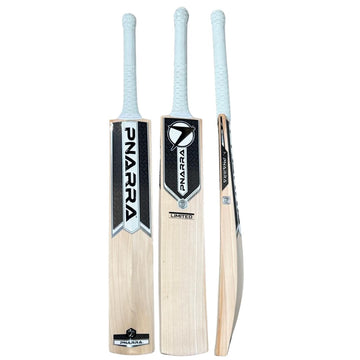
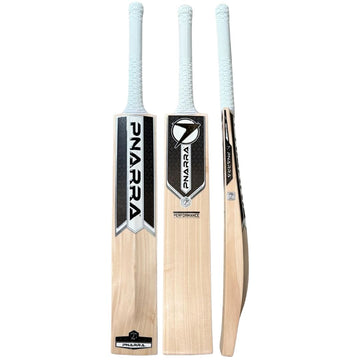




Cricket isn’t just about smashing boundaries or taking wickets — it’s also about staying protected every time you step on the field. Whether you’re batting, keeping, or fielding close in, wearing the right protective gear is what keeps your focus on performance, not pain. Let’s break down every essential piece you need in your cricket kit 👇
1. Cricket Helmet – Protect the Most Valuable Asset
Your head deserves top-tier protection.
A cricket helmet shields you from high-speed bouncers, unexpected edges, and sharp turns. Modern helmets come with impact-resistant shells, steel or titanium grills, and foam padding that ensures both safety and comfort.
👉 Tip: Always check the fit — a snug, secure helmet reduces the risk of head injuries.
How to Care:
- Wipe the outer shell after every use to remove sweat or dirt.
- Avoid keeping it in direct sunlight.
- Check the grill and straps regularly for cracks or rust.
2. Abdominal Guard (Abdo Pad) – Small Gear, Big Protection
This one’s non-negotiable for every male cricketer.
An abdominal guard (or box) protects your sensitive areas from serious injury. It’s lightweight, fits inside your underwear or special jock straps, and allows full mobility while batting or wicketkeeping.
👉 Tip: Choose a guard with soft edges and solid cup strength for max comfort and safety.
How to Care:
- Wash with mild soap after every use.
- Store it in a clean, dry area — hygiene is everything here!
3. Batting Leg Pads – Defense for Your Lower Body
Batting pads are your first line of defense against fast balls striking your legs.
Quality batting leg pads feature high-density foam, durable straps, and knee protection zones for flexibility.
👉 Tip: Opt for pads that are lightweight yet sturdy — perfect for long innings.
How to Care:
- Wipe them with a damp cloth after games.
- Air-dry them — never leave them wet or folded.
4. Thigh Pad – Guard Your Power Zone
A solid thigh pad absorbs the impact of fast deliveries. Many players now prefer combo thigh guards that cover both inner and outer thighs.
👉 Tip: Look for adjustable straps and ergonomic fit so it doesn’t shift during your shot play.
How to Care:
- Keep them dry and odor-free by airing them after every session.
- Replace old foam if it starts losing shape.
5. Elbow Guard – Swing Without Fear
Your arms are always in action — protect them with a cricket elbow guard. It helps prevent bruises or fractures from short balls while keeping your swing free.
👉 Tip: Go for guards with moisture-wicking fabric and flexible design.
How to Care:
- Clean the sweat buildup after matches.
- Don’t fold or compress them too much to keep the padding intact.
6. Batting Gloves – Grip It, Don’t Slip It
A solid pair of batting gloves offers both protection and control. They cushion your fingers and palms from ball impact and provide a tight grip on the handle.
👉 Tip: Leather palms and mesh ventilation = comfort + performance.
How to Care:
- Air them out after play — never leave them stuffed in your kit.
- Occasionally clean the leather with a damp cloth.
7. Wicket Keeping Gloves – Precision Meets Protection
For the keepers behind the stumps, keeping gloves are crucial. They’re padded, webbed, and designed to absorb shock from fast deliveries.
👉 Tip: Choose gloves with deep pockets and reinforced fingers for better ball control.
How to Care:
- Wipe the inside after every session.
- Let them air-dry — never use direct heat!
8. Wicket Keeping Pads – Light, Fast, and Flexible
Unlike batting pads, keeping pads are smaller and lighter, giving keepers the agility to move quickly.
👉 Tip: Look for pads with extra knee roll and non-slip straps for better mobility behind the wickets.
How to Care:
- Clean gently and store flat.
- Avoid water exposure — keep them dry between games.
Final Thoughts
Your protective gear isn’t just equipment — it’s your armor. Whether you’re a beginner or a pro, never compromise on safety.
From helmets to gloves, each piece plays a major role in building your confidence and keeping you match-ready.
💥 Play fearless. Play protected. Play with PNARRA.
Common Questions Players Ask
Q: How often should I replace my cricket helmet?
A: Every 2–3 years, or immediately after a major impact.
Q: Can I wash my batting gloves?
A: Not fully — wipe with a damp cloth and let them air-dry.
Q: How do I know my pads fit right?
A: When your knee cap aligns perfectly with the knee roll and straps sit firm but not tight.
Q: Do I really need all this gear for casual cricket?
A: If there’s a hard ball involved — yes, 100%. Safety first, always.


