


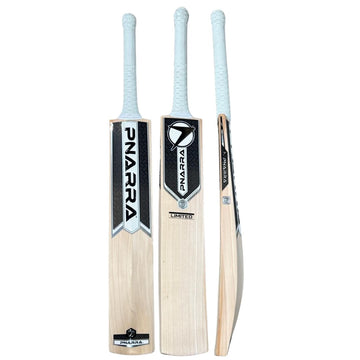
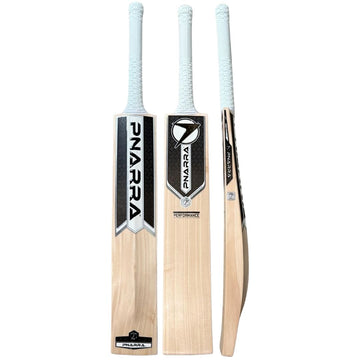


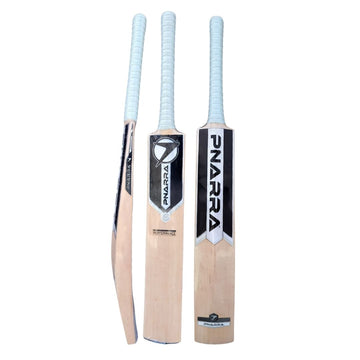


Choosing the right cricket bat is an important part of preparing for the game. The ideal bat should feel comfortable in your hands, suit your playing style, and allow you to play your shots with confidence.
Whether you are a junior cricketer selecting your first bat, a club player looking for a new match bat, or an experienced batter exploring different profiles, understanding the basics will help you make an informed decision.
At PNARRA, we believe equipment selection should begin with the player. This guide explains the key factors to consider when choosing a cricket bat, from size and weight to willow type, profile, and handle design.
1. How to Choose the Right Cricket Bat
Before comparing individual models, consider these five factors:
- Size: The bat should be an appropriate length for your height, reach, and stance.
- Weight: Choose a weight you can control comfortably throughout your innings.
- Pickup: Consider how the bat feels when lifted and moved, not just its stated weight.
- Profile: Different blade shapes distribute wood differently and can affect balance and pickup.
- Handle and grip: Comfort, control, and personal preference should guide your choice.
A more expensive or heavier bat is not automatically a better choice. The right bat is one that suits your needs and feels manageable when playing a range of shots.
2. How to Choose the Right Cricket Bat Size
Bat size is particularly important for junior players. A bat that is too long or difficult to control may make batting less comfortable. Use the following as a general guide only; sizing recommendations vary by manufacturer and model, so check the actual dimensions and fit before purchasing.
| Bat size | General guidance |
|---|---|
| Size 0–2 | Smaller junior players |
| Size 3–4 | Junior players |
| Size 5–6 | Taller or older junior players |
| Harrow | Players who have outgrown smaller junior sizes but are not yet suited to a full-size bat |
| Short Handle (SH) | A common adult bat size |
| Long Handle / Long Blade | Options for players who need additional handle or blade length, depending on the model |
These categories are indicative rather than fixed height standards.
How to check bat fit
- Stand comfortably in your normal batting stance.
- Hold the bat using your usual grip.
- Check that you can move and lift it without excessive effort.
- Practice controlled movements that resemble your normal batting shots.
- For junior players, reassess the fit as they grow.
Avoid selecting a bat solely because of a player's age or because a teammate or professional uses the same model.

3. Understanding Cricket Bat Weight and Pickup
Two bats with similar stated weights can feel different when lifted and swung. Pickup is influenced by factors such as the distribution of wood, blade shape, handle construction, and overall balance.
What should you consider?
Lighter-feeling bats: These may suit players who prioritize ease of movement and quick bat control.
Heavier-feeling bats: Some players prefer a more substantial feel. A heavier bat should only be considered if the player can control it comfortably and consistently.
Balanced pickup: The bat should feel manageable during preparation, movement, and shot execution.
There is no single ideal weight for every player. Technique, strength, comfort, and playing preferences all matter. Whenever possible, compare the actual weight and pickup of individual bats rather than relying only on a model name or advertised weight.
4. English Willow vs. Kashmir Willow Cricket Bats
Willow type is another consideration when selecting a cricket bat.
English Willow
English Willow is widely used in traditional leather-ball cricket bats. Players compare models based on construction, weight, profile, finish, and overall feel. Willow type alone does not guarantee a particular level of performance; individual bat characteristics and a player's technique also matter.
Kashmir Willow
Kashmir Willow is another established material used in cricket bat manufacturing. Bats are available in a variety of designs and specifications. Consider the individual bat's construction, dimensions, weight, and intended use rather than making a decision based on willow type alone.
Kashmir Nurtured English Willow Cricket Bat
Where a PNARRA product is specifically described as a Kashmir Nurtured English Willow Cricket Bat, use that exact product terminology when comparing models. Check the individual product description for construction details and specifications. Do not assume the wording automatically establishes a particular grade or performance characteristic.
Buying tip: Compare the actual product specifications and choose a bat suited to your requirements and budget. For a more detailed comparison, read our English Willow vs. Kashmir Willow cricket bat guide.
5. Understanding Cricket Bat Profiles
A bat's profile describes the shape and distribution of wood throughout the blade. Profile selection can influence balance, pickup, appearance, and how the bat feels during play.
PNARRA offers different profile options across applicable models, including Full Profile, Duckbill, Player, and Custom profiles. Confirm available options and specifications on each product page.
Full Profile
A Full Profile design emphasizes a fuller blade shape. The precise distribution of wood varies by model.
Duckbill Profile
A Duckbill profile uses a distinctive blade shape. Its pickup and balance depend on the specific bat's construction and weight distribution.
Player Profile
Player-profile bats may incorporate particular design preferences and specifications. Check the individual model description rather than assuming every Player profile has identical characteristics.
Custom Profile
Custom profiles allow specific design preferences to be considered where customization is available. Confirm available options with PNARRA before ordering.
Which profile should you choose?
Compare overall weight and pickup, blade shape and dimensions, wood distribution, handle comfort, and your preferred batting technique. No profile is universally best for every batter; comparing the actual bats is more useful than relying on the profile name alone.
6. Choosing the Right Cricket Bat Handle
Handle design affects grip comfort and the way a bat feels in the hands. Depending on the model, PNARRA bats may feature semi-oval, oval, or round handle shapes.
Oval handle
An oval handle has a more pronounced oval cross-section. Some players prefer this shape for the way it sits in their hands.
Semi-oval handle
A semi-oval handle offers a different cross-sectional shape that may suit certain grip preferences.
Round handle
A round handle has a more circular cross-section and may appeal to players who prefer that feel.
These are general shape descriptions, not guarantees of a particular grip or performance advantage. Consider how the handle feels in your normal batting grip. Grip thickness, grip material, and individual hand size can also affect comfort. Where possible, try different handle shapes before making your decision.
7. How to Compare Cricket Bats Before Buying
- Size and dimensions: Is the bat an appropriate size for the player? Are the blade and handle dimensions suitable?
- Weight and pickup: Can the player lift and control the bat comfortably?
- Willow type: Does the product description accurately identify the willow type and construction?
- Profile: Does the blade shape suit the player's preferences?
- Handle and grip: Is the handle comfortable, and does the grip feel secure?
- Product details: Are the specifications, available options, condition, and care instructions clear?
- Budget: Does the bat meet your requirements without paying for features you do not need?
Taking time to compare these factors can make the buying process more straightforward.
8. How to Care for Your Cricket Bat
A cricket bat needs appropriate care to help maintain its condition. Always follow the manufacturer's instructions for preparation, use, and maintenance.
- Store the bat in a dry environment away from excessive heat and moisture.
- Inspect the blade regularly for damage.
- Avoid using the bat for purposes other than its intended use.
- Follow the manufacturer's guidance on preparation and maintenance.
- Seek appropriate advice if the blade develops cracks or other damage.
Different bats may require different preparation procedures. For more detailed advice, read our English Willow cricket bat care guide.
9. Explore PNARRA Cricket Bats
Finding the right cricket bat starts with understanding your requirements. Compare available PNARRA models by size, weight, willow type, profile, handle design, and product specifications. Consider how the bat feels and whether it suits your playing needs.
Whether you are selecting a bat for junior cricket, club matches, or regular training, prioritize comfort, control, and an appropriate fit.
Explore PNARRA Cricket Bats and compare the available models to find an option suited to your game.
PNARRA — Performance Perfected.


