






Start with the Right Equipment for Your Stage of Cricket
Getting started with cricket is easier when a young player has equipment that fits comfortably, suits their level of play and meets the requirements of their coach or competition. Parents do not need to buy everything at once: begin with the essentials, confirm what the club provides, and build the kit as the player’s needs develop.
This guide is a practical starting point for families, junior players and coaches. Equipment sizes and rules vary, so use the manufacturer’s sizing guidance and check the requirements of your club or competition before buying.
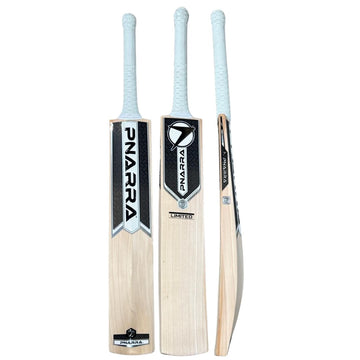
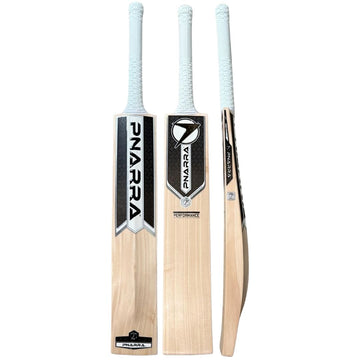
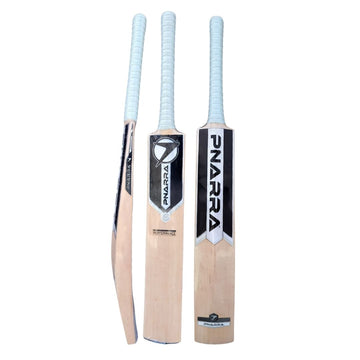
1. Choose a Bat That Is Manageable
A bat should feel controllable rather than simply look impressive. A young player should be able to hold it comfortably and practise the movements their coach teaches without struggling with the bat’s size or weight.
- Check the manufacturer’s bat-size guide and the player’s height.
- Consider whether the player can lift and manoeuvre the bat with control.
- Ask a coach or knowledgeable cricket retailer to help compare suitable options.
- Check the bat’s condition and grip before each session.
There is no single bat size that suits every player of the same age. Use individual measurements and comfort as a guide, and review the choice as the player grows.
For more detail on sizing, weight, profiles and handles, read PNARRA’s guide to choosing a cricket bat.
2. Prioritise Properly Fitting Protective Equipment
Protective equipment should fit as intended, remain in good condition and be suitable for the activity. Follow the manufacturer’s instructions and ask the coach or club what is required for the player’s role and level.
- Helmet: Choose a model intended for cricket, follow its fit instructions and check relevant competition requirements.
- Batting pads and gloves: Check that they fit securely and allow comfortable movement and grip.
- Other guards: Confirm which items are appropriate for the player’s role and required or recommended by the coach or competition.
- Wicket-keeping equipment: Players keeping wicket may need different gloves and pads from those used for batting.
Inspect equipment regularly and do not use items that are damaged or no longer fit properly. For more detailed selection and care advice, see PNARRA’s cricket protective gear guide.
3. Match Clothing and Footwear to the Session
Ask the club whether players need whites, coloured kit or training clothes. Footwear should be suitable for the playing surface and the venue’s rules. A spare shirt, socks and a weather-appropriate layer can be useful, but check what the player actually needs before purchasing extras.
- Confirm the club’s clothing requirements.
- Choose footwear suitable for the surface and permitted by the venue.
- Pack a water bottle and a spare layer when appropriate.
- Label clothing and equipment to make misplaced items easier to identify.
4. Ask What the Club Provides
Some junior programmes provide shared equipment for introductory sessions, while others expect players to bring their own kit. Before buying a full set, ask the coach or organiser about bats, practice balls, helmets, pads, stumps and any items the player must bring personally.
Also check whether equipment is supplied for trial sessions and whether there are specific requirements for matches. This helps families avoid buying items that the player may not need yet.
5. Pick a Bag That Is Easy to Manage
A junior player’s bag should be practical to carry and large enough for the equipment they actually use. Keep small items together, separate damp clothing from clean items where possible, and make sure the bag can be closed without forcing it.
As the player’s equipment grows, compare capacity, compartments and carrying style. PNARRA’s cricket kit bag buying guide explains key differences between trolley, duffel and duffel wheelie styles.
6. Build a Simple Starter Checklist
Use this as a starting point, then adjust it to the club’s instructions and the player’s role.
- Bat suitable for the player’s size and ability, if required by the club.
- Properly fitting protective equipment required for the session or match.
- Club-approved clothing and suitable footwear.
- Water bottle and weather-appropriate layer.
- Bag for carrying equipment and a way to label personal items.
- Any additional items requested by the coach or organiser.
Before a match, check the schedule, venue, transport plan and team messages. Our cricket match-day checklist provides a fuller packing and pre-match preparation list.
7. Look After Equipment Between Sessions
After training, collect all belongings, remove damp clothing and allow equipment to dry before storing it. Clean items according to the manufacturer’s instructions and inspect them for wear or damage. Keep a short list of anything that needs attention before the next session.
Questions to Ask Before You Buy
- What equipment does the club provide, and what must the player bring?
- What sizes and specifications does the coach recommend?
- Are there competition-specific requirements for protective equipment or clothing?
- Can the player try the equipment or compare sizes before purchasing?
- Will the equipment still be practical to carry to training and matches?
Explore Cricket Equipment with PNARRA
Every player’s needs are different. Compare product details carefully, choose equipment that fits the player and the activity, and ask the club or coach if you are unsure about requirements.
Explore PNARRA cricket equipment.
This guide is general information, not a substitute for advice from a qualified coach or the equipment manufacturer. Always follow applicable competition rules and product instructions.


