






Plan Equipment Around Your Squad and Programme
Cricket clubs, schools and academies often need to equip players with different levels of experience, roles and training schedules. A clear equipment plan helps organizers identify what is essential, what can be shared, what should be assigned to individual players and what needs replacing before the season begins.
This guide offers a planning framework for coaches, club administrators, schools and academy managers. Equipment requirements depend on the age group, format, venue and governing competition, so confirm the final list with your coaches and officials.
1. Start with a Squad and Session Inventory
Before requesting quotes, list your squads, expected player numbers, session types and competition formats. Separate training needs from match-day needs, and identify equipment that is already available and in serviceable condition.
- List each squad and expected player count.
- Record regular training sessions, match formats and venue requirements.
- Identify which items are personal, shared or supplied by the venue.
- Check existing equipment for fit, wear, damage and missing parts.
- Assign a person to maintain the inventory and approve requests.
2. Separate Personal Equipment from Shared Equipment
Some items are normally selected and fitted to an individual player, while others may be shared where appropriate and permitted. Set clear expectations so players and families know what to bring and the club knows what it must provide.
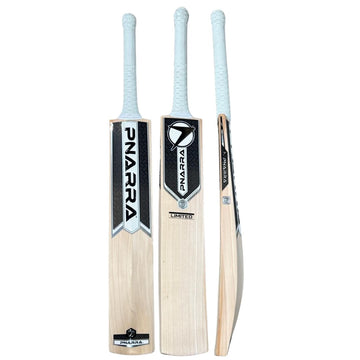
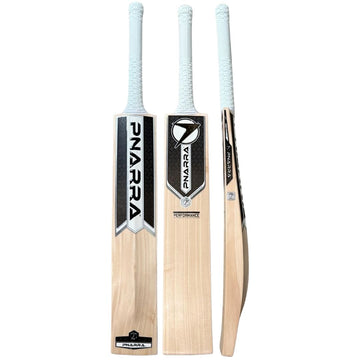
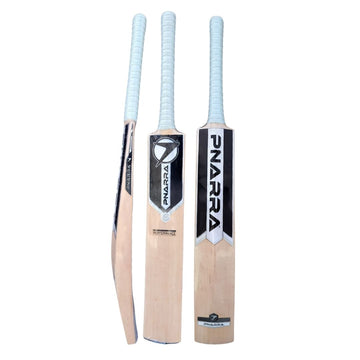
Personal equipment may include a player’s bat, batting gloves, pads, helmet and footwear, depending on club policy. Shared programme equipment may include practice balls, cones, stumps and training aids. Confirm hygiene, fit, maintenance and competition rules before deciding what can be shared.
3. Plan by Player Role and Level
Different players may need different equipment. Batters, bowlers and wicket-keepers can have different requirements, and introductory sessions may need a different inventory from competitive squads. Ask coaches to define a minimum equipment list for each programme rather than using one identical list for every player.
For individual bat sizing, weight and profile considerations, refer to PNARRA’s cricket bat selection guide. For protective equipment fit and care, see the cricket protective gear guide.
- Ask coaches to specify essential equipment for each squad.
- Confirm protective equipment and clothing requirements for each format.
- Check that items fit the intended users and meet applicable rules.
- Review requirements when players move to a different age group or competition.
4. Build a Practical Budget
Group requirements into essential replacements, new-player needs, shared training equipment and optional upgrades. When comparing supplier quotes, check that products, quantities, sizes, customization, taxes, shipping and delivery estimates are presented on a like-for-like basis.
Record the reason for each purchase and the person approving it. Keep a small allowance for unexpected replacements if the club’s budget permits, but do not assume that the lowest unit price offers the best overall value.
5. Coordinate Teamwear and Ordering
If the club also orders uniforms, prepare one accurate list of required items, sizes, player names and numbers. Nominate one person to consolidate changes and approve final artwork. Share the target in-hand date with suppliers and allow time for size collection, design approval, production and shipping.
Our custom cricket teamwear guide covers design briefs, size collection, quotes and order checks for clubs, academies and schools.
6. Organise Storage and Transport
Choose storage that keeps equipment easy to find, inspect and return. Label shared items, keep clean and damp gear separate where possible, and make sure equipment is secured safely during transport. For individual player bags, consider capacity, compartments and how players travel to training and matches.
For help comparing bag styles, see the PNARRA cricket kit bag buying guide.
7. Create a Maintenance and Replacement Routine
Assign responsibility for checking shared equipment at the start and end of sessions. Follow manufacturers’ care instructions, remove damaged equipment from use and document repairs or replacements. Personal protective equipment should be checked for condition and fit by the player and responsible adult or coach as appropriate.
- Keep a simple inventory with item, quantity, condition and storage location.
- Record items that need inspection, repair or replacement.
- Check equipment before the season and at regular intervals.
- Store items according to manufacturer guidance and venue requirements.
8. Use a Repeatable Ordering Checklist
- Confirm squad sizes, roles and programme requirements.
- Complete an inventory and identify priority gaps.
- Separate personal purchases from shared club equipment.
- Confirm product specifications, sizes and competition requirements.
- Request written quotes with quantities, customization and delivery estimates.
- Approve artwork and size lists before custom orders enter production.
- Plan delivery, distribution, storage and follow-up checks.
Discuss Club or Academy Requirements with PNARRA
If you are planning cricket equipment or custom teamwear for a club, school or academy, prepare a brief that includes your organization, approximate squad size, required product categories, destination and target date. Contact PNARRA to discuss your requirements and confirm available options, quantities, pricing and timelines before placing an order.
Email: support@pnarra.com
Explore PNARRA cricket equipment
Availability, minimum quantities, customization options, pricing and delivery timelines vary and must be confirmed directly before an order is placed. This guide is a planning aid; follow applicable competition rules and manufacturers’ instructions.


