


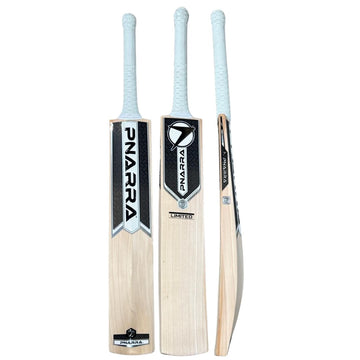
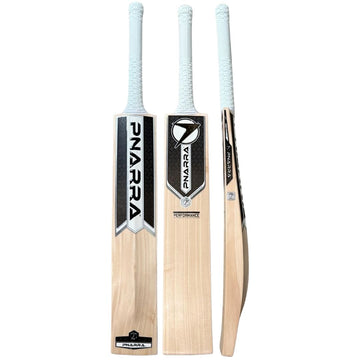


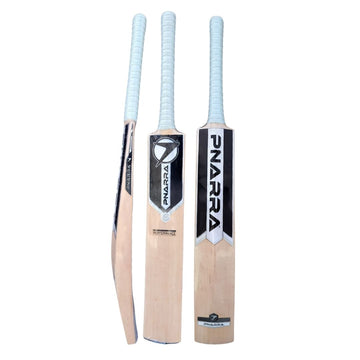


Good care can help you get the most from your English Willow cricket bat. The right routine depends on the bat's construction, its preparation when supplied, and the manufacturer's guidance. Use the instructions provided with your particular bat as the primary reference, and avoid applying the same treatment to every model.
1. Check the Bat’s Care Instructions First
Before oiling or knocking-in a bat, check whether it has been pre-prepared, whether a protective facing is fitted, and what care the manufacturer recommends. Some bats require additional preparation; others may have specific instructions or limitations. If you are unsure, ask the seller or manufacturer before proceeding.
2. Oiling: Use Only When Recommended
Not every bat needs the same oiling routine. If the care instructions recommend oiling, use a suitable cricket-bat oil and apply it sparingly as directed. Avoid the splice, handle, stickers, and any areas the manufacturer says not to treat. Let the bat dry as instructed before using or storing it.
Do not assume that multiple coats or frequent re-oiling are necessary. Excessive oil can add weight and may affect the wood, so follow the guidance for your specific bat.
3. Knocking-In and Preparation
Knocking-in may be required for some bats, but the amount of preparation varies by model and by the preparation already completed. Follow the manufacturer's directions, use appropriate equipment, and begin gently if additional knocking-in is recommended.
- Do not rely on a fixed number of hours as a guarantee that a bat is ready.
- Avoid striking the back of the blade or areas the manufacturer advises you not to knock in.
- Do not assume that a bat described as pre-prepared needs the same additional work as an untreated bat.
- If you are uncertain about preparation, seek advice from the bat's maker or a qualified cricket-equipment specialist.
4. Consider Protective Facing and Toe Protection
A suitable scuff sheet or toe guard may help protect selected areas from surface wear or moisture, depending on the product and how it is fitted. Follow the bat manufacturer's guidance before applying accessories. Protective products do not make a bat waterproof or eliminate the risk of damage.
5. Keep the Bat Dry and Store It Carefully
- If the bat becomes damp, wipe it with a dry cloth and allow it to dry naturally in a well-ventilated place.
- Do not leave the bat in a damp kit bag or expose it to prolonged moisture.
- Avoid leaving it for long periods in a hot vehicle or near a heater, radiator, or other direct heat source.
- Store the bat in a dry place, away from extreme temperature and humidity changes.
- Avoid using the toe to forcefully tap or dig into hard ground.
6. Inspect and Clean It Regularly
After a match or practice session, wipe away dirt with a dry cloth and check the face, edges, toe, handle, and splice for changes. Small surface marks can occur during normal use, but worsening cracks, loose components, or a change in the handle or splice deserve attention.
Do not automatically sand or repair cracks yourself. If damage appears to be spreading or affects the structure of the bat, stop using it until it has been assessed by a suitable repair specialist or the manufacturer.
7. Know When to Seek a Repair Assessment
Cricket bats are made from natural wood, and wear will vary with use and playing conditions. Deep or spreading cracks, a loose handle, separation around the splice, or substantial damage to the toe or edges are reasons to seek professional advice. Care can help maintain a bat, but it cannot guarantee a particular lifespan or prevent all damage.
Quick Bat-Care Checklist
- Read and follow the instructions supplied with your specific bat.
- Oil or knock-in only as recommended for that model.
- Keep the bat dry and away from prolonged direct heat.
- Wipe it clean and inspect it after use.
- Seek advice if you notice structural damage or are unsure how to prepare the bat.
Explore PNARRA Cricket Bats
Choosing a bat that suits your size, preferences, and playing style is an important first step. Browse the PNARRA cricket bat collection to compare available models and their specifications.
For help comparing size, weight, profile, and handle design, read our cricket bat buying guide.
PNARRA — Performance Perfected.


